When moving around gets harder, it can feel like you’re losing some independence. Everyday things like showering, cooking, or going out might need more help than before, which can be tough for you, your family, and carers. Many people turn to NDIS physiotherapy for support, but aren’t always sure how it can help them stay independent or make real changes.
NDIS physiotherapy is all about helping you move better in your daily life. This could mean standing up with less help, walking more confidently, or managing fatigue so you can do more of what you love. The main goal is to help you stay independent. In this blog, we’ll look at how physiotherapy can support you over the long term and help you take charge of your movement, step by step.
Why Mobility Matters for Independence
Mobility is about getting through your day safely and confidently. When moving becomes harder, even simple tasks like getting dressed can take longer or require more help. This can increase the risk of falling, make you more dependent on carers, and limit your ability to participate in daily life.
NDIS physiotherapy can help you move better and overcome these challenges. By building your balance, control, and strength, you can do more for yourself. Even small improvements can have a huge impact. Moving more easily helps you stay independent, maintain your abilities longer, and remain involved in your home and community.
How NDIS Physiotherapy Supports Your Daily Life
Everyday life can challenge your body in ways that differ from what you experience in a typical clinic setting. NDIS physiotherapy is designed to help you move where it matters most, whether at home, out in the community, or working to keep your independence.
Your physiotherapist will assess how your body moves and how this affects your daily activities. Then they will develop a plan that supports your functional capacity and helps you stay as independent as possible. This plan might include hands-on support, specific exercises, and mobility support that match your needs and where you live.
Improving Balance, Strength, and Confidence
Feeling safe and supported helps you move with confidence. NDIS physiotherapy can make day-to-day activities, such as prolonged turning, standing, or walking, easier. Your physiotherapists can help you build strength and balance to meet your real-life needs.
As your movement improves, you’ll feel confident doing things on your own, whether at home or out in the community. These improvements help you stay independent and are a key part of disability support services that focus on quality of life.
Thinking About NDIS Physiotherapy?
If you are wondering how physiotherapy could fit into your NDIS plan or help you reach your goals, the Healthstin team is here to guide you. We partner with participants, families, and support coordinators to make sense of funding and map out your next steps.
Ready to take steps toward greater independence and a more confident, active life? Call us at 1300 090 931, refer someone you care about, or easily book your NDIS physiotherapy session online.
Understanding how physiotherapy fits into your NDIS plan doesn’t have to be complicated. Physiotherapy is usually funded when it helps you move more safely, complete daily tasks, and maintain your functional capacity over time.
The table below shows how NDIS physiotherapy supports everyday needs and goals.
| NDIS Goals or Needs | How Physiotherapy Helps |
| Enhancing daily movement | Improves balance and strength, promoting safer walking and transfers |
| Maintaining independence | Helps you keep your abilities, lessening reliance on carers |
| Mobility challenges | Provides personalised mobility assistance that fits into your daily routines |
| Neurological conditions | Uses physiotherapy to help with neurological coordination and motor control |
| Community participation | Helps you move safely, whether you’re at home or out in the community |
This way, physiotherapy supports real progress, not just short-term changes.
Understanding “Improved Daily Living” Funding
“Improved Daily Living” is part of your NDIS plan and supports therapies that build your skills and independence. This funding often goes toward services like NDIS physiotherapy, which work to improve your movement, strength, and daily activities over time.
With Improved Daily Living funding, you can get physiotherapy services that:
- Improve balance and coordination so daily activities are safer
- Build strength to make walking and moving from place to place easier
- Lower your risk of falls and reduce physical strain
The goal is to help you keep or improve your physical abilities, so you can take part in daily life with more confidence.
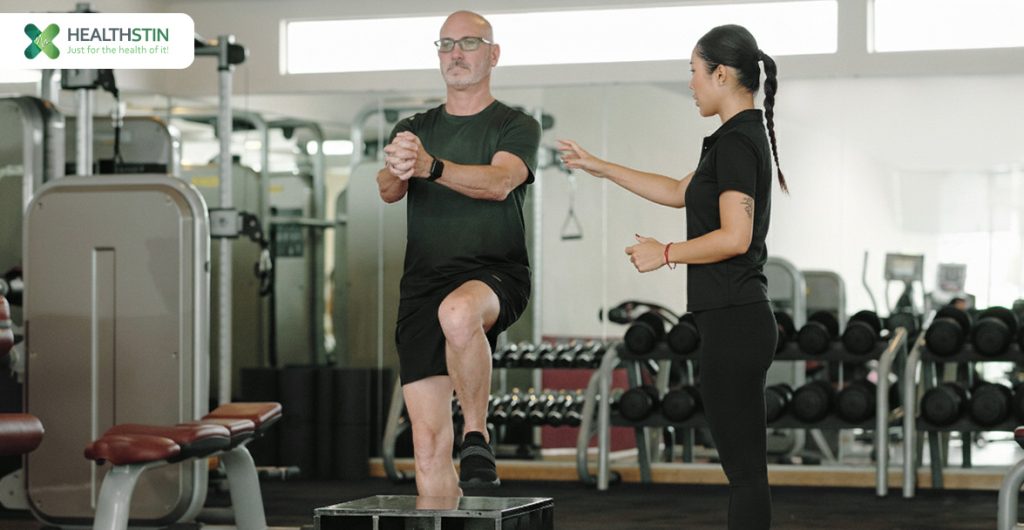
Why Choose the Right NDIS Physiotherapist for Your Needs?
NDIS physiotherapy is most effective when it fits your personal goals and daily routines. An experienced NDIS physiotherapist knows how important it is to set clear goals, track progress, and provide support that fits your everyday life.
At Healthstin, our university-qualified physiotherapists work closely with participants, families, and support coordinators to ensure care is well planned and aligned with NDIS goals. We focus on everyday movement and offer services at home, in the community, or in our clinics conveniently located across Australia.
- Sans Souci, NSW – Supporting people over southern Sydney
- Hurstville, NSW – Serving the St. George and surrounding areas
- Salisbury & Elizabeth, SA – Accessible for Adelaide’s northern suburbs
- Brimbank & Melton, VIC – Working with communities in Melbourne’s west suburbs
- Belmont, WA – Opening more local access as demand continues to grow
FAQs About NDIS Physiotherapy
1. What does NDIS physiotherapyactually helpwith?
NDIS physiotherapy helps with everyday activities such as walking, standing, balancing, and getting from one place to another. It aims to improve or maintain your ability to move safely and independently in daily life.
2. Is physiotherapy covered under the NDIS?
Yes. Physiotherapy is usually funded under the Capacity Building — Improved Daily Living program. Whether you get funding depends on how physiotherapy helps you reach your disability-related goals and if it is considered reasonable and necessary.
3. Can NDIS physiotherapy be provided at home or in the community?
Yes. Many NDIS participants get physiotherapy at home or in the community. This helps physiotherapists support your movement in real-life situations and offer practical help that fits your daily routine.
4. How do I know if NDIS physiotherapy is right for my family member or me?
NDIS physiotherapy might be right for you if you have problems with balance, strength, movement or physical ability that affect your daily life or independence. A physiotherapist can assess your needs and explain how therapy could help you achieve your goals under your NDIS plan.
5. Does NDIS cover an Exercise Physiologist?
Yes. The NDIS can fund Exercise Physiology if it helps you work towards goals like improving strength, mobility, endurance, or overall ability. These services are usually funded under Capacity Building — Improved Daily Living, provided they are considered reasonable and necessary.
Exercise physiologists often work with physiotherapists as part of wider disability support. They are especially helpful when you need ongoing support for movement or a structured exercise programme to maintain your physical health.
Start Your Journey to a More Active Life Today
Staying independent starts with the right support, so you can move through each day with confidence and ease. NDIS physiotherapy empowers you to grow stronger, overcome mobility hurdles, and keep enjoying your favourite activities. When your physiotherapy is tailored to your goals and routines, it becomes a valuable companion on your journey.
Healthstin is here to provide physiotherapy that fits smoothly into daily life. Our team supports practical movement and clear goals, helping you make confident, informed choices about your care.
Let’s Talk About Your Goals
Book a free 30-minute online consultation with the Healthstin team to discuss your needs and learn how physiotherapy can support your NDIS goals. There’s no waitlist, and the session is a relaxed way to ask questions and learn about your options.
*Disclaimer: This article is intended for general educational purposes only and does not replace personalised advice. NDIS funding decisions depend on individual needs, goals, and plan details. For specific guidance on how your funding can be used, please speak with your NDIS planner, Local Area Coordinator, or support coordinator.