Transitioning from a career-focused lifestyle to retirement is a significant adjustment, and many senior citizens face hidden struggles with their mental well-being. Whether you are dealing with isolation, anxiety, or the challenges of aging, finding the right help can feel like a frustrating, broken process. You might feel like you’re trying to navigate too many support systems at once, leaving you lost and unsure where to turn for real, compassionate support.
Confusion around eligibility, the differences between various funding streams, and knowing exactly how to access assistance often leads to delays in getting the right care. However, understanding the role of the National Disability Insurance Scheme (NDIS) can be a turning point. By accessing the right “NDIS mental health support for seniors”, you can gain access to the non-clinical capacity-building care you need to support your daily function, regain independence, and ultimately optimise your overall quality of life.
Can Seniors Access NDIS for Mental Health?
Yes, seniors can access the NDIS if they meet the scheme’s eligibility criteria. It is a common misconception that the NDIS is only for physical injuries or congenital conditions. In reality, the scheme also recognises the profound impact that mental health can have on your ability to function in daily life.
To qualify, the focus is not solely on your diagnosis, but on the impact that your condition has on your life. This is often categorised as a “Psychosocial disability”. This term refers to the functional limitations that arise from mental health conditions, such as the inability to manage social interactions, maintain employment, or handle daily tasks like cooking, cleaning, or personal care. If your mental health condition significantly affects your day-to-day living and is likely to be permanent, you may be eligible for NDIS funding.
What Mental Health Conditions Can Be Supported?
The NDIS does not provide support based on a specific list of “approved” conditions. Instead, it looks at the functional impact of your situation. Seniors living with conditions like PTSD, chronic anxiety, and treatment-resistant depression often find that these challenges create significant barriers to participating in society.
Whether your symptoms make it hard to get out and about, leave you feeling exhausted, or make it difficult to focus or remember things, the NDIS looks at how these challenges affect your day-to-day life. The goal of the scheme is to provide funding for support services that help you overcome these everyday barriers, as long as the help you’re asking for is sensible and truly needed for your situation.
Confused About NDIS?
The NDIS is a social insurance scheme for Australians with significant, permanent disability. It is not tied to your service record.
Navigating the NDIS can be overwhelming. If you are unsure where your funding should come from or how to coordinate your support, talk to our support team today. We provide clinical and operational information to help you understand your options and take the next step.
Types of NDIS Mental Health Supports Available
The NDIS offers a wide variety of funding categories that can be tailoured to your unique goals. These supports are structured to move you toward greater self-reliance.
“Capacity building supports”
This category is essential for seniors looking to build skills and confidence. It includes funding for services that help you learn how to manage your daily life, build new routines, or support your emotional regulation. The goal here is to invest in your long-term functional autonomy so that you rely less on external support over time.
Exercise Physiology for Mental Health
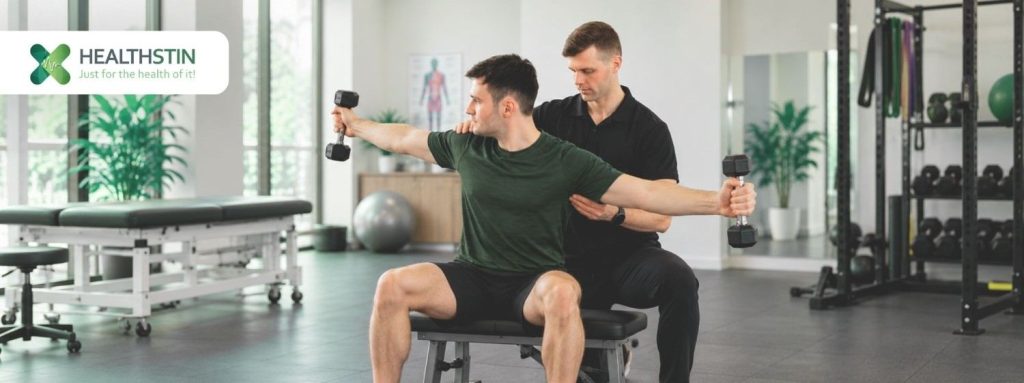
Physical movement is a valuable tool for mental wellbeing. Engaging with an accredited exercise physiologist can help you manage symptoms of anxiety and depression through physical activity. This is not just about fitness; it is about “Functional improvement”. By strengthening your body, you also support overall physical function, assist in regulating stress hormones, and build the physical stamina needed to engage more fully in your community.
Related article: Benefits of Physical Exercise on Mental Health
Physiotherapy Support
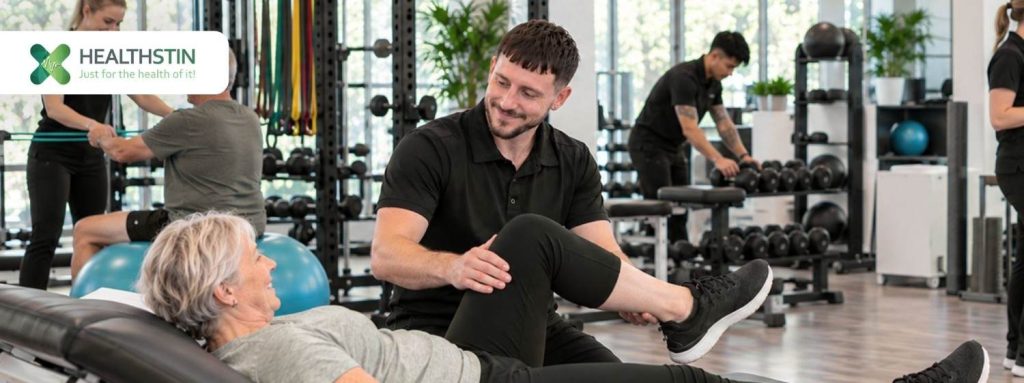
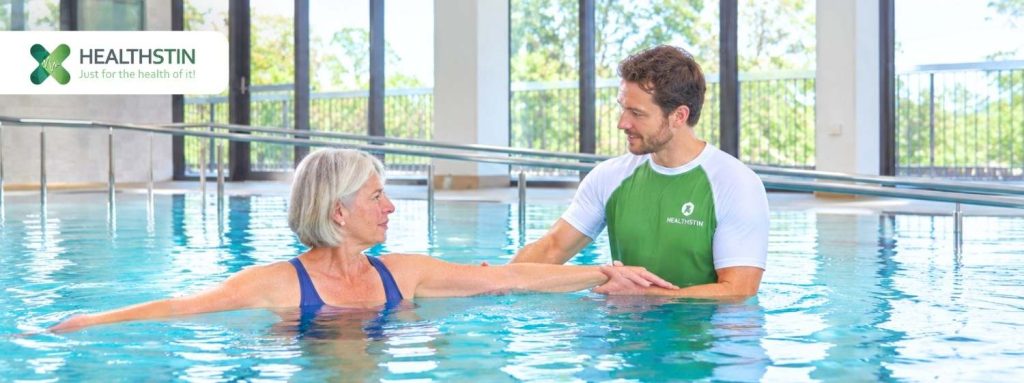
Physical pain and your mental health are often closely connected. Constant physical discomfort can make feelings of depression much worse, while trouble getting around can lead to you feeling cut off from others. Physiotherapy helps you move better and feel more comfortable in your body. By improving your physical strength and stability, it often becomes much easier for you to focus on your overall mental health recovery.
“Community participation”
Many seniors find that they end up feeling cut off from others, which can be a real struggle. The NDIS can help by funding support workers or programs that make it easier for you to get out of the house and do the things you enjoy. Whether it is joining a local club, heading to a class, or just grabbing a coffee, these social connections are a vital part of building back your confidence.

How to Access NDIS Mental Health Support
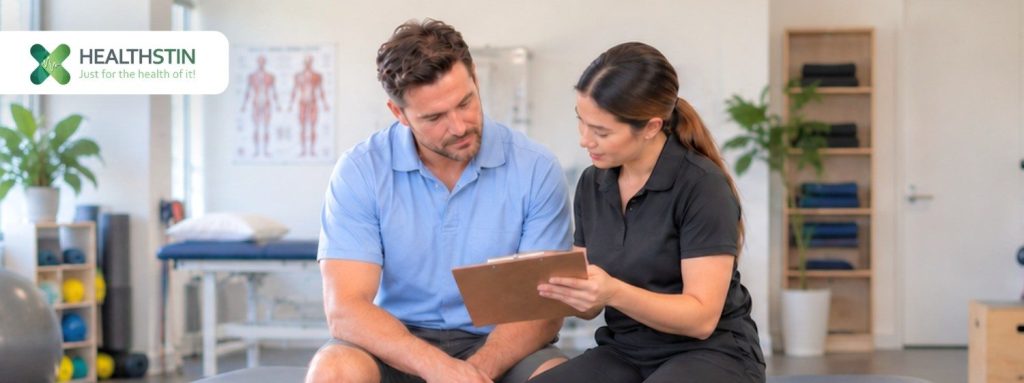
Accessing the scheme involves a few key steps. First, you must meet the access requirements, which include proving the permanency and impact of your disability. You will need reports from your treating professionals—such as your GP, psychiatrist, or other health providers—detailing how your condition limits your daily function.
Once you have your evidence ready, you send in an Access Request Form. When approved, you are elevated to the planning stage. This is where “Support coordination” becomes critical. Think of a support coordinator as your personal guide: they help you understand exactly what your plan covers, link you up with the right providers, and make sure your funding is being used in the best way possible to help you reach your goals.
How Healthstin Supports Seniors Through NDIS
At Healthstin, we care and help seniors navigate NDIS with clarity. We know that “one size fits all” approach doesn’t work and that everyone is different. Therefore, we focus on:
Integrated Care: We bring together various allied health services—such as exercise physiology and physiotherapy—to confirm your physical and mental health care pathways are managed as one cohesive, multi-disciplinary framework.
Recovery-focused care: We make your personal goals our priority. Whether you’re aiming to return to work, spend quality time with your family, or just get through your routine with getting too tired, we specifically construct our sessions to help you make progress toward those specific milestones.
Ongoing Progress Tracking: We believe in keeping a close eye on your progress using clear, real-world check-ins. We assess how well you are managing your daily tasks regularly to make sure that the support you’re getting is actually helping you achieve the specific results you’re looking for.
We have extensive experience working with complex cases and understand the unique culture and challenges associated with your advanced years. You do not have to navigate the paperwork and the health system alone.
Common Challenges and How to Overcome Them
It is not uncommon for seniors to face hurdles during the application process. Rejections often happen, not because you are not eligible, but because the evidence provided did not clearly articulate the functional impact of your condition.
The secret to a successful application is making sure your medical paperwork focuses on how your condition affects what you can and can’t do in your daily life, rather than just stating a diagnosis. If you are finding it hard to make sense of how funding works or feel overwhelmed by all the NDIS paperwork, reach out to us for guidance on the clinical and practical side of things. Providing a clear and detailed picture of your day-to-day challenges is the most important step in helping those reviewing your application get the full story.
Frequently Asked Questions
Do I need a diagnosis?
While having a formal diagnosis is an important part of the process, the NDIS mostly looks at how your condition affects your daily life. Your application needs to show how your symptoms make it difficult for you to manage your everyday tasks and stay independent.
What if I’ve been denied before?
A denial is not the end of the road. Often, it is a matter of providing more comprehensive documentation about your day-to-day functional limitations. You have the right to request an internal review of the decision.
How long does approval take?
The time it takes to get an answer can vary. Once you submit your Access Request Form along with all the required paperwork, the NDIA reviews your application based on their standard processing times. Since getting together clear and detailed medical reports can take a while, it is a good idea to start the process as early as you can.
What services are included?
This depends entirely on what is in your approved plan, but it generally includes non-medical support such as recovery coaching, help from support workers, structured exercise programs, physiotherapy, and assistance with everyday tasks.
Get the Support You Deserve
If you are a senior living with a mental health condition, you do not have to struggle in silence. The NDIS offers a pathway to support that can assist you to reclaim your functional autonomy and focus on your recovery. Securing the right NDIS mental health support for seniors can be a valuable foundation to support your overall wellbeing.
Take the first step toward a more supported future. Our team at Healthstin is ready to assist you in understanding your eligibility and coordinating care frameworks that respect your service and meet your functional needs.
Key Takeaways
The NDIS provides mental health support for seniors with particular emphasis on daily function rather instead of just diagnosis. By carefully examining eligibility and combining With NDIS funding, you can access capacity building supports” and allied health services to improve independence, wellbeing, and your connection to the community.
Healthstin provides physiotherapy and exercise physiologist programs for seniors across multiple states in Australia.
- Sans Souci, NSW – Supporting southern Sydney residents
- Hurstville, New South Wales (NSW) – Conveniently located for serving the St George community
- Salisbury & Elizabeth, South Australia (SA) – Accessible for Adelaide’s northern suburbs
- Brimbank & Melton, Victoria (VIC) – Supporting communities in Melbourne’s west
- Belmont, Western Australia (WA) – Expanding to meet growing local demand
Our team can deliver therapy in our clinics or within the community.
Know Someone Who Could Benefit Our Services?
Help someone take the first step. If you know a friend or a loved one who is struggling to stay active or feeling socially isolated, we make the referral process simple. Whether they need a physio exercise programs or university-trained disability support, we’ll help them navigate the D904 or NDIS requirements with ease.
Refer Someone Today and help them start their path to better health and independence.