Sleep is a naturally recurring state of mind and body when there is reduced physical and mental activity. It is a physiological process essential for maintaining your overall health and wellbeing. During sleep, your body undergoes important functions such as restoration and regulation of brain function, bodily functions, emotional health, and hormonal balance.
We spend one-third of our lives sleeping and yet, a lot of people take sleep for granted. For some, living and functioning on little sleep becomes a bragging right to the detriment of their health. In our increasingly hectic world, sleep is one of the first things to be sacrificed to cram tasks and activities in an already full and busy day.
Small wonder that sleep problems and disorders are becoming more and more prevalent. A recent government report shows that almost half, or 48% of all Australian adults have at least two sleep-related problems. The same report also revealed that 27% or a quarter of 12- to 13-year-olds and 52% or more than half of 16- to 17-year-olds do not meet the sleep recommendations on school nights.
Studies also show that the health burden is not only limited to sleep disorders such as insomnia and obstructive sleep apnea but also to the poor quality of sleep.
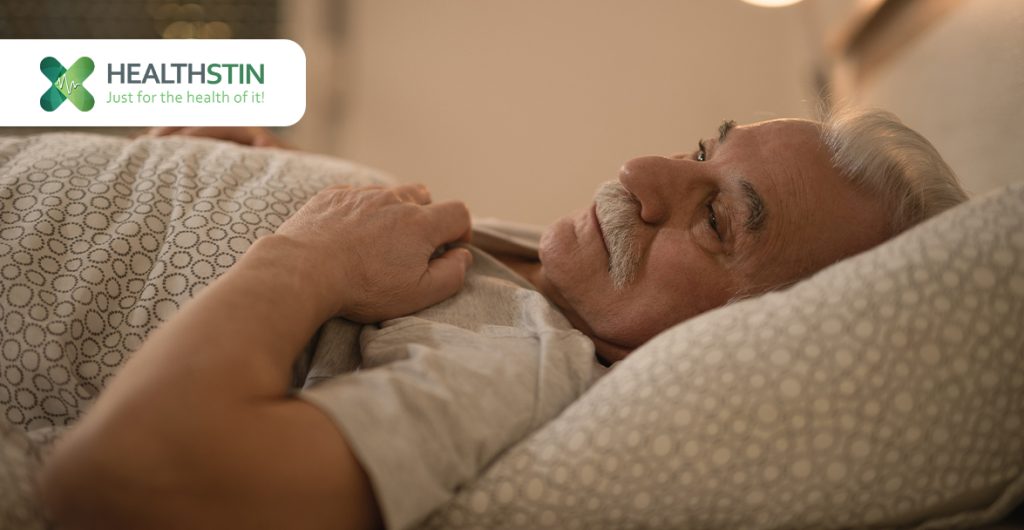
Treatment for sleep disorders
Here are some ways to treat sleep problems:
• Adopt healthy sleeping habits
These include going to bed and waking up at the same time every day; making your bedroom conducive to sleeping; avoiding caffeine, alcohol, and nicotine close to bedtime; avoiding daytime naps; eating meals on a regular schedule; avoiding eating and drinking fluids close to sleeping time; and stress management.
• Be physically active
Does exercise help you sleep? You bet it can. Exercising not only affects your ability to sleep; it can also help improve your sleep quality.
• Cognitive behavioural therapy for insomnia
A 60-to-8-week plan to help you learn how to sleep faster and stay asleep longer, it involves several parts such as cognitive therapy, relaxation/meditation, sleep education, sleep restriction, and stimulus control.
• Therapies
Light Therapy employs a lightbox to reset your sleep-wake cycle while Orofacial Therapy uses face and mouth exercises to treat apnea.
• Medications
Medicines for helping you sleep include over-the-counter supplements such as melatonin, prescription medicines such as Benzodiazepines, and off-label medicines. Always consult your health professional before taking any medication for sleep problems.
• Devices
These may involve the use of oral devices worn in your mouth while sleeping or the Continuous Positive Airway Pressure (CPAP) machine which requires wearing a mask over your nose and mouth connected to a machine that blows air and keeps your airways open while you sleep. Various exercise products can also aid in improving physical comfort, which can support better sleep.
• Surgical procedures
These include the use of implants or the removal of tissues to make the upper airway bigger.

How does exercise improve sleep?
Physical activity and exercise are universally accepted prescriptions for good health. Both are also recommended by experts to help treat sleep problems and improve sleep quality.
Exercise has very profound effects on sleep that go beyond the mere ability to fall asleep:
• Sleep Quality
People who exercise regularly report falling asleep faster, experiencing deeper sleep, and waking up less frequently during the night.
• Sleep duration
While sleep needs vary from individual to individual, exercise can help ensure that you get the optimal amount of sleep that your body requires.
• Sleep disorders
Studies have shown that exercise can benefit people who are struggling with insomnia and sleep apnea, improving their symptoms, and even alleviating their condition at times.
• Regulation of Circadian Rhythm
Exercise can help regulate your body’s internal clock, synchronising the rhythm that determines when you wake up and when you feel sleepy.
• Stress reduction
Being physically active can help reduce your stress levels and alleviate this contributor to sleep disturbances.
• Reduce anxiety and depression symptoms
Being well-rested can improve your mood and mental health, which in turn, enhances your ability to sleep better.
• Enhance comfort
Being physically fit can reduce discomfort or pain that may disrupt your sleep.

What is the best time to exercise for sleep?
Exercising and raising your heart rate close to bedtime may be counter-intuitive and make falling asleep more difficult. To avoid that, experts recommend exercising five to six hours before bedtime.
According to the Sleep Foundation, it is recommended to perform aerobic or resistance exercises in the morning hours to facilitate the early release of the hormone Melatonin, in the evening. Melatonin is a hormone that the brain produces in response to darkness and helps with regulating the wake-sleep cycle.
Performing high-intensity exercises late in the afternoon may reduce wakefulness in the evening and promote sleep. Doing light-intensity aerobic or resistance exercises at night may reduce the frequency of waking up during the night.
It is recommended to experiment with exercise timing and intensity to figure out what works best for you. A health professional such as an Exercise Physiologist can help customise a program as well as the timing of your exercise to help you sleep faster and better.
How better sleep can improve your day-to-day living?
Getting enough quality sleep can affect your health and well-being in so many ways:
• Increase in energy levels
This translates to feeling more alert, focused, and ready to tackle what the day brings.
• Better mood
Getting enough quality sleep can put you in a better disposition and improve your mood. This can lead to better social interactions.
• Better cognitive function
Better sleep at night can mean having better memory, sharper focus, and better thought processing during the day. This can also mean higher productivity.
• Enhanced overall health
Getting sufficient sleep can boost your immune system, help maintain a healthy weight, reduce the risk of getting sick, and decrease the risks for serious health problems such as diabetes and heart disease.
• Help in making better decisions
Sound sleep can translate to better decision-making such as avoiding car accidents or workplace mishaps associated with drowsiness.
Get into exercise now and start sleeping better
By incorporating regular exercise into your daily life, you can reap numerous benefits for both sleep quality and overall wellbeing.
Remember to consult with our Exercise Physiologists (EP) before starting any new exercise regimen, especially if you have any underlying health conditions or have not exercised for some time. Our EPs will first assess your health condition and then create a tailored exercise program that is most suitable to your condition and needs.
Reach out to us via 1300 090 931 or Book a session.