Living with osteoporosis doesn’t mean giving up your independence or quality of life. In fact, the right exercise for osteoporosis can help you move more freely, reduce the risk of fractures, and feel more in control of your health. But it’s important to choose the right kind of exercise. A personalised Osteoporosis Exercise Programme designed and delivered by an accredited Exercise Physiologist can help deliver the most effective results.
If you’re an NDIS Participant, someone receiving Aged Care support, or simply someone managing osteoporosis, this post is for you. Let’s explore how tailored Exercise Physiologist Programmes can support your journey to stronger bones and a better quality of life.
Understanding Osteoporosis And Why Exercise Matters
Osteoporosis is a condition that weakens bones, making them fragile and more likely to break. According to Healthy Bones Australia, more than 1.2 million Australians are living with osteoporosis, and an estimated 6.3 million have osteopenia or low bone density.
As per the Australian Institute of Health and Welfare, 66% of Aussies with osteoporosis are aged 65 and over. It is also more common amongst people in residential care or receiving Home Care Packages. The prevalence of osteoporosis rises steeply with age: amongst adults aged 50+, 23% are women and 6%, men.
The disease often progresses silently, with many people unaware they have it until they experience a fracture, most commonly in the hip, spine, or wrist. What’s more alarming is that 1 in 3 women and 1 in 5 men over 50 will suffer an osteoporotic fracture.
Whilst medication plays a role, research consistently shows that osteoporosis physical exercise is one of the most effective non-pharmaceutical ways to prevent bone loss and improve strength, balance, and coordination. But this has to be reiterated: it has to be the right kind of exercise for osteoporosis meaning tailored, safe, and progressive.
Top 3 Benefits Of Personalised Exercise Physiologist Programmes For People Living With Osteoporosis
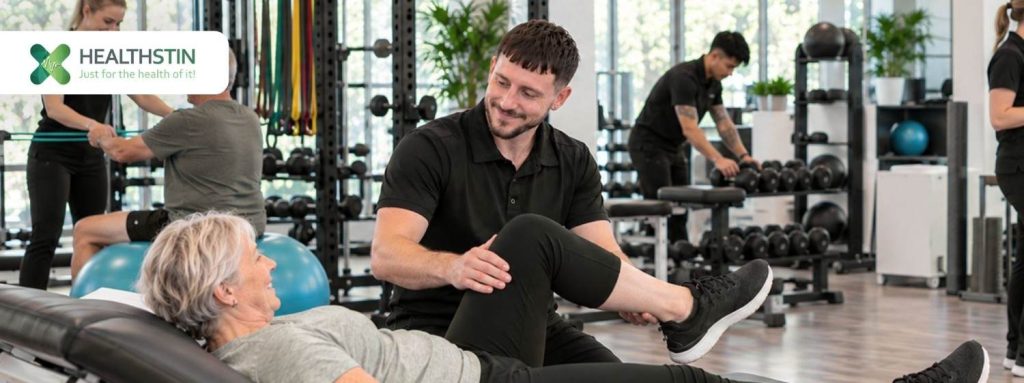
A one-size-fits-all approach doesn’t work when it comes to managing osteoporosis. At Healthstin, we tailor each plan to the individual because your goals, mobility level, and medical background matter.
Here are the top three benefits of personalised osteoporosis exercise programmes:
Improved health outcomes
A programme tailored to your needs can help target the right muscles, the proper way, and at the right intensity.
-
- Safe resistance and weight-bearing movements help improve bone strength.
- Better balance, coordination, and joint support can help reduce fall and fracture risk.
- Better posture and mobility are especially important for clients with vertebral fractures or kyphosis.
Enhanced motivation and adherence
Personalised care means more than just exercises on a page. It means:
-
- Individualised goal setting that aligns with your lifestyle
- A strong partnership with your Exercise Physiologist
- Programmes that adapt as your confidence grows
When you enjoy what you’re doing, you’re more likely to stick with it. Long-term adherence is where you can see real benefits.
Greater independence and other positive benefits
Beyond building bone and muscle strength, clients may experience a range of positive changes as well:
-
- Greater independence in doing daily tasks
- Improved mental wellbeing
- Access to complementary supports such as Hydrotherapy or home visits
- Integration with your NDIS or Aged Care support plan
How a Personalised Osteoporosis Exercise Programme Works
A personalised Exercise Physiologist Programme is more than just a workout. It’s a medically informed and highly specific regimen designed around your health status, goals, and capabilities.
Here’s how these programmes for osteoporosis physical exercise can help you live better:
- Weight-bearing exercises – Activities such as walking, dancing, or stair climbing encourage the body to build and maintain bone density.
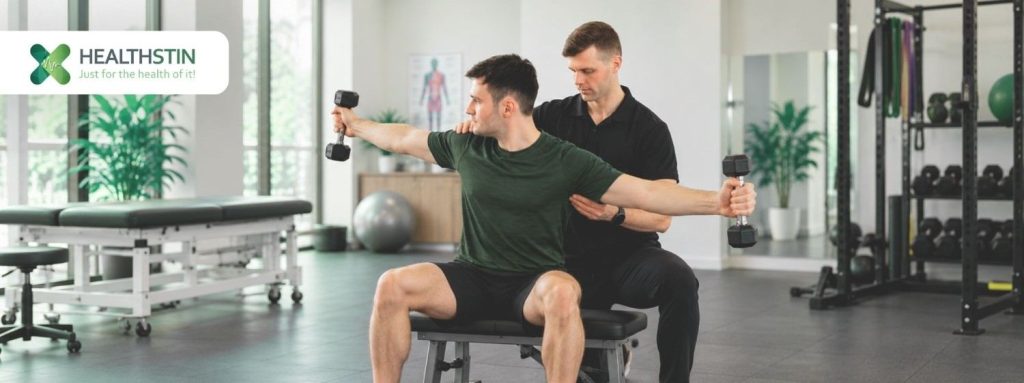
- Resistance training – Light to moderate strength training improves bone strength and muscle mass. In turn, this can support your skeletal system and reduce the risk of falls.
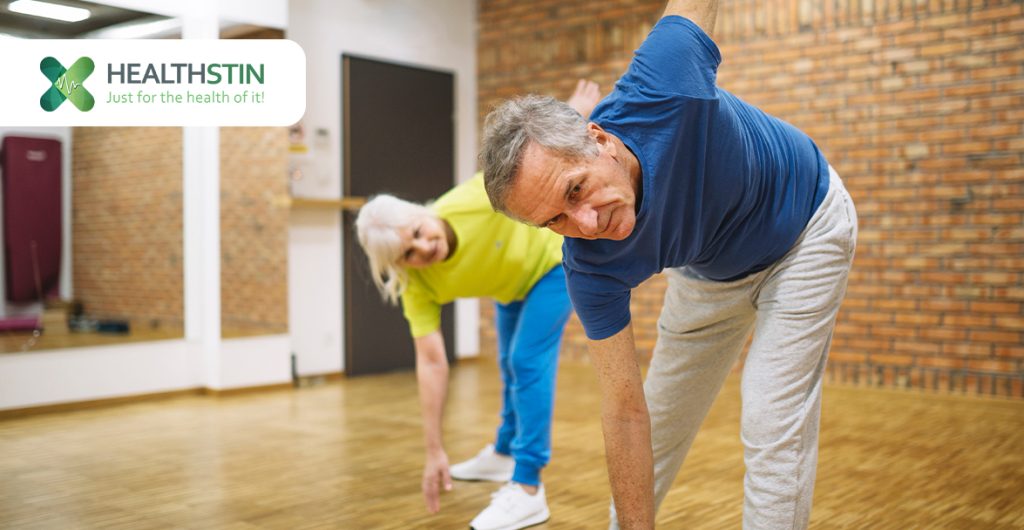
- Balance and flexibility work – Falls are a major risk for people with osteoporosis. Exercises that improve coordination and stability, such as Hydrotherapy, can help reduce fall risk significantly.
- Education and support – Accredited Exercise Physiologists (AEPs) can educate you on posture, movement, and everyday ergonomics to help prevent fractures during daily activities.
Whether you’re engaging in group classes or 1:1 support, these programmes are structured and adapted to suit your abilities, preferences, and medical background.
What to Expect During Your First Visit
If you’re new to Exercise Physiology, you may wonder what your first appointment looks like.
Here’s what typically happens:
- Comprehensive assessment – Your Exercise Physiologist will gather information about your health history, osteoporosis diagnosis, current activity levels, medications, and fall history.
- Functional testing – You may be asked to perform gentle balance, strength, and mobility tests to help tailor your starting point safely.
- Goal setting – You’ll discuss what matters most to you with your EP, whether it’s walking without fear of falling, improving posture, or simply becoming more active again.
- Programme planning – You’ll be introduced to your personalised Osteoporosis Exercise Programme, whether that’s gym-based, home-based, Hydrotherapy-supported, or a combination of these.
- Funding and access – If you’re supported by the NDIS, CHSP, or HCP, we’ll help you integrate the service into your plan, ensuring your sessions are both effective and accessible.
Where Hydrotherapy Fits Into Osteoporosis Management
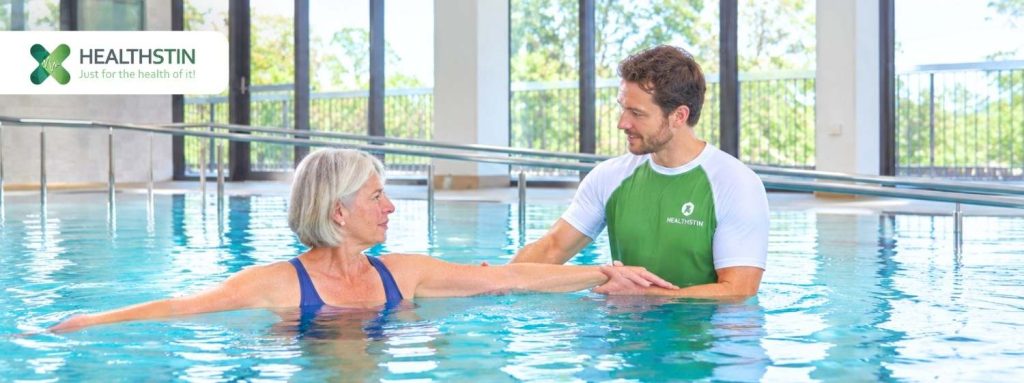
Hydrotherapy can provide a safe, low-impact environment that supports movement, relieves discomfort, and gently builds strength and confidence.
Here’s where it fits into a well-rounded approach to osteoporosis care:
1. Safe environment for movement
The buoyancy of water reduces load on the spine and lower limbs, which is ideal for older adults with limited mobility, people who’ve already experienced fractures, and clients with arthritis or chronic pain.
2. A gentle way to build strength and balance
Hydrotherapy helps strengthen muscles which support bone and joint stability as well as improve balance and coordination.
3. Effective pain relief and recovery
Osteoporotic clients often experience pain, stiffness, or poor mobility.
Hydrotherapy can help alleviate muscle tension, reduce joint stiffness, and make movement more comfortable. This can help reintroduce movement into a person’s daily routine.
Common Questions About Exercise for Osteoporosis
We answer some of the frequently asked questions about starting an exercise programme for osteoporosis:
I have fragile bones. Is it safe for me to exercise?
Yes. But only when done correctly. A tailored programme avoids high-impact or unsafe movements and focuses on exercises that build strength without increasing the risk of fracture.
How long does each session last?
Your first session usually takes 45–60 minutes to assess your needs and goals. Ongoing sessions run for 30–60 minutes, depending on your programme and how you feel on the day.
I’m not very mobile. Will I still benefit?
Yes. Exercise Physiologists are trained to work with people of all abilities. These include those using mobility aids or recovering from fractures. Even seated or water-based exercises can be effective.
Can I do this under the NDIS, Aged Care plans, or other funding schemes?
Yes! Many people receive subsidised Exercise Physiology services under the NDIS, Commonwealth Home Support Programme (CHSP), or Home Care Packages (HCPs). It’s best to consult your Provider or Support Coordinator.
Is Healthstin a registered NDIS Provider?
Yes, Healthstin is a registered NDIS Provider for Capacity Building: Improved Daily Living, Improved Health and Wellbeing, and Improved Social and Community Participation.
What types of disabilities do we design Personalised Exercise Programmes for?
Healthstin provides Exercise Physiology, Physiotherapy, and Hydrotherapy services for a diverse range of health conditions and challenges including the following:
-
-
- Musculoskeletal disorders
- Neurological disorders
- Cardiovascular and pulmonary conditions
- Metabolic and endocrine disorders
- Paediatric conditions
- Geriatric conditions
- Chronic pain syndromes
- Oncological conditions
- Women’s health
- Sports injuries
- Mental health conditions
-
What’s the difference between an Exercise Physiologist and a Physiotherapist?
Whilst Physiotherapists focus more on acute injury management, Exercise Physiologists specialise in chronic conditions like osteoporosis and long-term functional improvement. Learn more by reading our in-depth post.
How do I book an appointment?
To book an appointment, you can contact us at 1300 090 931 or click here.
Book a Personalised Consultation to See What Your Body Really Needs
Osteoporosis doesn’t have to dictate how you live your life. With the right Exercise Physiologist Programme, you can take control of your bone health, regain confidence in movement, and reduce the likelihood of future injury.
If you’re looking for an Allied Health eam that understands your unique needs, our accredited Exercise Physiologists at Healthstin are here to help. We offer customised osteoporosis exercise programmes, access to Hydrotherapy pools and gym facilities, flexible session locations, and immediately available capacity for new clients.
Call 1300 090 931 or fill out the form below to book a personalised consultation and see what your body really needs.